
How to Improve Sleep Quality – A Guide for Better Rest in 2025

Discover what research actually shows about improving sleep quality! Our science-based guide reveals evidence-backed strategies, debunks common myths, and provides actionable tips for better rest tonight.
Introduction
Did you know that poor sleep costs the U.S. economy over $400 billion every year? That’s a huge number that shows just how important good sleep really is! If you’re one of the millions of people who struggle to get good rest, you’re in the right place. But you need to know, most sleep advice you find online isn’t based on real research.
What scientists actually found might surprise you. Many popular sleep tips come from old information or companies trying to sell you something instead of real science. That’s exactly why I’ve looked through tons of peer-reviewed studies and clinical trials to bring you strategies that actually work.

Sleep isn’t just about feeling rested the next day. Good sleep affects everything from your immune system and mental health [5] to your weight and how well you think. Ready to change your nights? Let’s separate the real sleep facts from the fake stuff and learn what scientists have discovered about getting truly good rest.
The Science Behind Sleep Quality vs. Sleep Quantity
Understanding How Sleep Really Works
Most people think they need exactly eight hours of sleep, but what research actually shows is way more interesting. Sleep quality beats quantity every single time. A big study by Phillips and his team [1] looked at 88 college students and found that sleep measures explained nearly 25% of how well students did in school – and it wasn’t just about how long they slept.
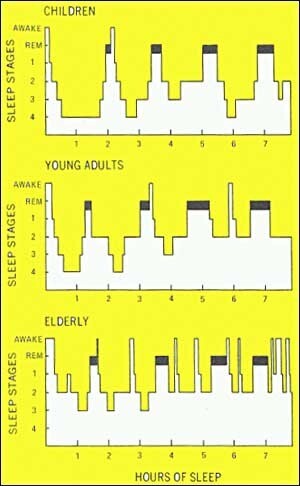
Sleep happens in cycles that last about 90-120 minutes each. Each cycle includes:
- Light Sleep (Stage 1 & 2): When you’re transitioning and resting lightly
- Deep Sleep (Stage 3): When your body repairs itself and stores memories
- REM Sleep: When your mind recovers and processes emotions
The 8-Hour Sleep Myth Busted
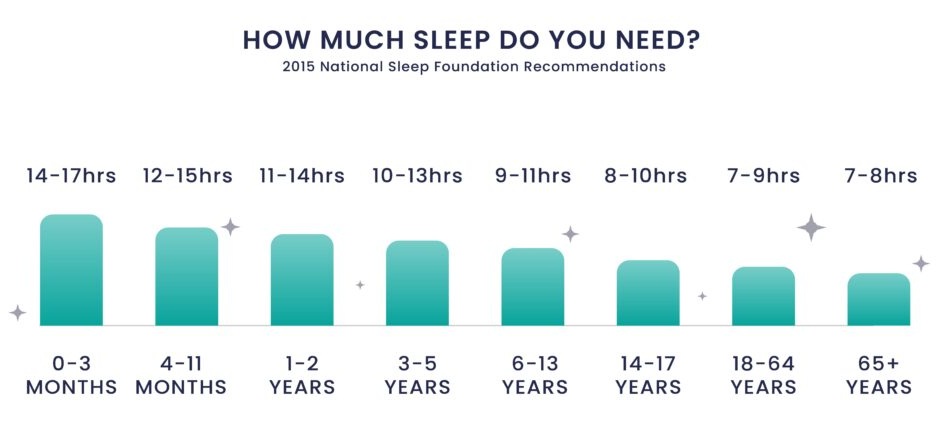
Contrary to what everyone says, the “8 hours for everyone” rule isn’t supported by current research. A huge analysis of over 1.1 million people found that the best sleep time varies a lot:
- Short sleepers: 6-7 hours (about 25% of people)
- Average sleepers: 7-9 hours (about 65% of people)
- Long sleepers: 9+ hours (about 10% of people)
What matters most? How well you sleep and keeping a regular schedule. Research consistently shows that sleeping 6.5 hours with high quality beats 8 hours of broken sleep every time.
Your Personal Sleep Needs – It’s in Your Genes
Plus, your sleep needs are mostly decided by your genetics. The PER3 gene, for example, affects whether you’re naturally a morning person or night owl. Similarly, the DEC2 gene lets some people work great on just 4-6 hours of sleep – though this affects less than 1% of people.
Evidence-Based Sleep Hygiene – What Actually Works vs. What Doesn’t
Research-Backed Sleep Habits That Really Work
Sleep hygiene isn’t just a fancy term – it’s a collection of habits backed by science that really improve sleep quality. However, not all popular sleep tips actually work. Let me share what research actually shows works:
Proven to Work:
- Same sleep and wake times (even on weekends)
- Cool bedroom temperature (60-67°F)
- Complete darkness or eye masks
- No caffeine after 2 PM
- No big meals 3 hours before bedtime
Common Sleep Myths Busted
Unfortunately, several popular sleep tips don’t have scientific support:
Myth: “A drink before bed helps you sleep better” Reality: While alcohol might help you fall asleep faster, studies show it really hurts your REM sleep quality and makes you wake up more during the night.
Myth: “You should never nap during the day” Reality: Smart 20-30 minute naps between 1-3 PM can actually improve nighttime sleep quality, according to NASA research.
The Blue Light Truth – What Studies Really Show
Blue light from screens has become a hot topic, but what does research actually show? Silvani and his team [2] did a big review and found that while blue light does affect sleep hormones, it depends on how much you get. Specifically:
- Bright blue light (like bright screens) within 2 hours of bedtime: Big impact
- Low blue light (dimmed devices): Small effect
- Blue light during the day: Actually good for your sleep cycle
Pro tip: Instead of avoiding all screens, try using night mode on your devices or blue light glasses if you must use screens before bed.
The Sleep Environment – Creating Your Science-Backed Sleep Sanctuary
The Science of Darkness and Light
Light exposure is one of the most powerful tools for better sleep quality. What research actually shows is that even tiny amounts of light can mess up sleep. A study published in the American Journal of Epidemiology found that people sleeping in rooms with any light had much worse sleep quality.
Evidence-based light tips:
- Use blackout curtains or eye masks for complete darkness
- Use dim red lights for nighttime bathroom trips (red light doesn’t mess with sleep hormones)
- Get bright light within 30 minutes of waking up
- Avoid bright overhead lights 2 hours before bedtime
Sound and Sleep – White Noise vs. Silence
How sound affects sleep quality is more complex than you might think. Recent studies show that:
- Steady background noise (like white noise) can improve sleep by covering up disruptive sounds
- Complete silence works best for light sleepers
- Pink noise (deeper than white noise) might help deep sleep and memory
Interestingly, a 2017 study found that nature sounds like rainfall or ocean waves improved sleep quality more than white noise for 68% of people.
The Mattress and Pillow Science
While mattress ads often make big claims, real research does exist on sleep surfaces:
What studies actually show:
- Medium-firm mattresses improve sleep quality for most people
- Pillow height should keep your spine straight
- Materials matter less than good support and staying cool
- Mattress age really affects sleep quality after 7-8 years
Nutrition and Sleep – What Research Shows About Food Timing and Sleep Quality
Before-Bed Nutrition – Foods That Help vs. Hurt
Nutrition plays a big role in sleep quality, but timing matters as much as what you eat. What research actually shows about eating before bedtime might surprise you:
Foods that help sleep (backed by studies):
- Tart cherries: Natural source of sleep hormone melatonin
- Complex carbs: Help make serotonin (a feel-good chemical)
- Magnesium-rich foods: Almonds, spinach, pumpkin seeds
- Herbal teas: Chamomile, passionflower, valerian root
Foods to avoid within 3 hours of bedtime:
- Large, heavy meals (mess with body temperature)
- Spicy foods (can cause heartburn and raise body temperature)
- High-sugar foods (cause blood sugar spikes and crashes)
Meal Timing Research – When to Stop Eating
A 2020 study in the Journal of Clinical Medicine found that eating within 3 hours of bedtime really hurt sleep quality. However, going to bed hungry can also mess up sleep. The sweet spot? A light snack 1-2 hours before bedtime if needed.
The Truth About Alcohol and Sleep
Despite what many people believe, alcohol is not a sleep aid. Studies consistently show that while alcohol may help you fall asleep faster, it really hurts sleep quality by:
- Reducing REM sleep by up to 25%
- Making you wake up more during the night
- Causing early morning wake-ups
- Making you dehydrated and giving you headaches
Sleep Supplements – What Real Research Shows
The supplement industry is full of big claims, but what do real clinical trials show?
Evidence-based supplements:
- Melatonin (0.5-3mg): Good for falling asleep and jet lag
- Magnesium (200-400mg): May improve sleep quality if you don’t get enough
- L-theanine (100-200mg): Helps you relax without making you drowsy
Overhyped supplements:
- Valerian root (research results aren’t consistent)
- GABA supplements (your body doesn’t absorb them well)
- High-dose melatonin (often causes next-day grogginess)
Exercise and Sleep Connection – Timing, Intensity, and Sleep Benefits
What Research Actually Shows About Exercise Timing
The relationship between exercise and sleep is one of the most studied areas in sleep science. However, timing and intensity matter way more than most people realize.
Morning vs. Evening Workouts – What Studies Found
A huge study by Stutz and his team [3] looked at over 14,000 people across more than 4 million nights and found surprising results:
- Morning exercise (6-8 AM): Improved deep sleep and sleep quality
- Afternoon exercise (2-4 PM): Best for falling asleep and sleep duration
- Evening exercise (6-8 PM): Still helpful if finished 4+ hours before bedtime
- Late evening exercise (within 2 hours of bedtime): Can delay falling asleep due to higher body temperature
High-Intensity vs. Moderate Exercise Effects
Different exercise intensities affect sleep differently:
High-Intensity Interval Training (HIIT):
- Increases deep sleep percentage
- May delay falling asleep if done late in the day
- Needs longer recovery time before sleep
Moderate exercise:
- Consistently improves sleep quality across all age groups
- Reduces time to fall asleep by an average of 37%
- Less likely to interfere with bedtime routine
Strength training:
- Helps deep sleep through growth hormone release
- Best done in morning or early afternoon
- May temporarily disrupt sleep during the first few weeks
Why Exercise Consistency Matters Most
Most importantly, regular exercise matters more than intensity. A long study following 2,600 adults found that people who exercised regularly (3-4 times per week) for 16 weeks improved their sleep quality by 65%, no matter what type of exercise they did.
Managing Sleep Disruptors – Science-Based Solutions for Common Problems
Stress and Sleep – What Research Shows
Chronic stress is one of the biggest sleep quality destroyers. What research actually shows is that stress doesn’t just make it harder to fall asleep – it completely changes how your sleep works.
How stress affects sleep:
- Higher stress hormones reduce REM sleep
- Chronic stress makes you wake up more during the night
- Stress-related muscle tension interferes with deep sleep
- Racing thoughts activate your “fight or flight” system
Evidence-based stress reduction techniques for better sleep:
- Progressive muscle relaxation: Reduces stress hormones by up to 25%
- Mindfulness meditation: Improves sleep quality in 89% of people who try it
- Cognitive behavioral therapy for insomnia (CBT-I): Most effective long-term solution
- Breathing exercises: 4-7-8 technique shown to reduce time to fall asleep
Zhang and his team [6] studied how stress affects sleep and found that stress hurts sleep quality through multiple paths including overthinking and social anxiety.
Technology and Sleep – Screen Time Effects
Beyond blue light, too much screen time creates what researchers call “mental arousal” – a state of mental excitement that directly conflicts with your brain’s natural wind-down process.
Research findings on technology and sleep:
- Using devices within 1 hour of bedtime increases time to fall asleep by an average of 23 minutes
- Social media use before bed relates to increased anxiety and racing thoughts
- The average person checks their phone 96 times per day, creating chronic stress
Evidence-based digital detox strategies:
- Use a “digital sunset” 1-2 hours before bedtime
- Use airplane mode instead of turning devices completely off (reduces urge to check)
- Create a charging station outside the bedroom
- Replace late-night scrolling with reading or gentle stretching
Han and his team [7] did a big review and confirmed the connection between increased electronic media use and worse sleep outcomes.
Shift Work and Irregular Schedules – Coping Strategies
For the 20% of workers with non-traditional schedules, keeping good sleep quality requires special strategies based on body clock research.
Research-backed shift work sleep strategies:
- Light therapy: Use bright light during work hours and complete darkness during sleep
- Smart caffeine timing: Have caffeine early in your shift, avoid 6 hours before intended sleep [4], [8]
- Split sleep schedules: Sometimes 2 shorter sleep periods work better than 1 long period
- Melatonin timing: Take 30 minutes before intended sleep time, regardless of what the clock says
Creating Your Personalized Sleep Improvement Plan
How to Track Sleep Quality – What Actually Matters
With so many sleep tracking devices available, it’s important to focus on things that research shows actually relate to sleep quality and health.
Evidence-based sleep metrics to track:
- Sleep efficiency: Time asleep divided by time in bed (aim for 85%+)
- Sleep onset time: How long it takes to fall asleep (15-20 minutes is perfect)
- Number of nighttime wake-ups: Fewer than 3 per night is ideal
- Consistency: Bedtime and wake time variance (within 30 minutes is excellent)
Metrics to be careful about:
- Exact sleep stage percentages (consumer devices aren’t that accurate)
- “Sleep score” algorithms (often made up by companies, not based on research)
- Heart rate changes during sleep (useful but needs context)
Setting Realistic Expectations Based on Research
One of the biggest mistakes people make is expecting immediate results. What research actually shows about sleep improvement timelines:
Week 1-2: Time to fall asleep and how you feel about your sleep start improving Week 3-4: Sleep efficiency and deep sleep percentages increase Month 2-3: Daytime energy and thinking improvements become noticeable Month 6+: Long-term health benefits and habit formation become solid
Which Changes to Make First
Based on sleep research effectiveness and ease of doing, here’s the best order for making changes:
Phase 1 (Weeks 1-2): Building the Foundation
- Same sleep schedule (same bedtime/wake time daily)
- Room temperature optimization (60-67°F)
- Complete darkness or eye mask use
Phase 2 (Weeks 3-4): Environment Enhancement 4. Caffeine cutoff time (no caffeine after 2 PM) 5. Screen time reduction before bed 6. Pre-sleep routine establishment
Phase 3 (Month 2): Advanced Optimization 7. Exercise timing optimization 8. Food timing adjustments 9. Stress management techniques
Phase 4 (Month 3+): Fine-Tuning 10. Sleep tracking and data analysis 11. Supplement consideration if needed 12. Professional consultation for ongoing issues
Measuring Progress – Evidence-Based Ways to Track Improvement
Rather than relying only on how you feel, use these research-validated methods to track improvement:
How you feel measures:
- Pittsburgh Sleep Quality Index (PSQI) questionnaire monthly
- Daily 1-10 sleep quality ratings
- Energy level tracking throughout the day
Objective measures:
- Sleep efficiency percentages
- Consistency of sleep/wake times
- Reduction in daytime tiredness episodes
Scott, A. J., et al. (2021). Improving sleep quality leads to better mental health: A meta-analysis of randomized controlled trials. Sleep Medicine Reviews, 60, 101543.
Key Takeaways
Improving your sleep quality isn’t about following every piece of advice you find online – it’s about using strategies that research actually supports. What studies consistently show is that small, evidence-based changes can lead to big improvements in how you feel and function.
The most important research-backed strategies:
- Consistency beats perfection – Regular sleep timing matters more than perfect duration
- Environment optimization – Cool, dark, quiet rooms significantly improve sleep quality
- Gradual changes – Changing too much at once often leads to failure
- Individual differences – What works for others may not work for you, and that’s normal
- Long-term thinking – Real improvements take 6-12 weeks to fully show up
Remember, quality sleep isn’t a luxury; it’s something your body needs that affects everything from your immune system to your mental health. Start with one or two science-backed strategies from this guide, give your body time to adjust, and gradually build your personalized sleep optimization plan.
Scott and his team [5] analyzed 65 trials with over 8,600 people and found that improving sleep led to significant improvements in mental health, showing just how powerful good sleep really is.
Frequently Asked Questions
Q: How long does it take to see improvements in sleep quality?
A: Research shows that most people begin noticing improvements in how long it takes to fall asleep within 1-2 weeks of making consistent changes. However, big improvements in sleep efficiency and daytime energy typically take 4-6 weeks. Full optimization can take 2-3 months.
Q: Is it better to keep the same sleep schedule even on weekends?
A: Yes, absolutely. Studies consistently show that “social jet lag” (different sleep times on weekends) can mess up your body clock throughout the week. Try to keep weekend sleep times within 1 hour of your weekday schedule.
Q: Should I take melatonin every night?
A: Not necessarily. Research shows melatonin works best for specific situations like jet lag or shift work. For chronic insomnia, addressing underlying causes (stress, environment, habits) is more effective long-term than daily supplementation.
Q: How do I know if my mattress is affecting my sleep quality?
A: If your mattress is over 7-8 years old, you wake up with aches and pains, or you sleep better in hotels or other beds, it may be time for a replacement. Research shows mattress quality significantly impacts sleep efficiency and comfort.
Q: Can I make up for lost sleep on weekends?
A: Partially, but not completely. While extra weekend sleep can help reduce some effects of sleep debt, studies show it doesn’t fully restore thinking performance or health markers. Consistent, adequate sleep throughout the week is always better.
Your journey to better rest starts tonight! Which evidence-based strategy will you try first? Share your sleep improvement goals in the comments below, and remember – great sleep is an investment in your overall health and happiness.
References
- Phillips, A. J. K., et al. (2019). Sleep quality, duration, and consistency are associated with better academic performance in college students. npj Science of Learning, 4, 16.
- Silvani, M. I., et al. (2022). The influence of blue light on sleep, performance and wellbeing in young adults: A systematic review. Frontiers in Physiology, 13, 943108.
- Stutz, J., et al. (2025). Dose-response relationship between evening exercise and sleep. Nature Communications, 16, 1285.
- Drake, C., et al. (2013). Caffeine effects on sleep taken 0, 3, or 6 hours before going to bed. Journal of Clinical Sleep Medicine, 9(11), 1195-1200.
- Scott, A. J., et al. (2021). Improving sleep quality leads to better mental health: A meta-analysis of randomized controlled trials. Sleep Medicine Reviews, 60, 101543.
- Zhang, J., et al. (2024). The impact of stress on sleep quality: a mediation analysis based on longitudinal data. Frontiers in Psychology, 15, 1431234.
- Han, X., et al. (2024). Electronic media use and sleep quality: Updated systematic review and meta-analysis. Journal of Medical Internet Research, 26, e48356.
- Centofanti, S., et al. (2023). The effect of caffeine on subsequent sleep: A systematic review and meta-analysis. Sleep Medicine Reviews, 69, 101763.
